Is Coffee Good for Your Heart? What Current Research Really Shows
Coffee is part of most people's daily routine, yet for a long time it had a reputation as a potential risk factor for the heart. Newer, large-scale studies paint a rather different picture: enjoyed in moderate amounts, coffee appears to support cardiovascular health rather than harm it. Here's a look at what the current evidence actually shows.
Moderate intake: more protective than risky
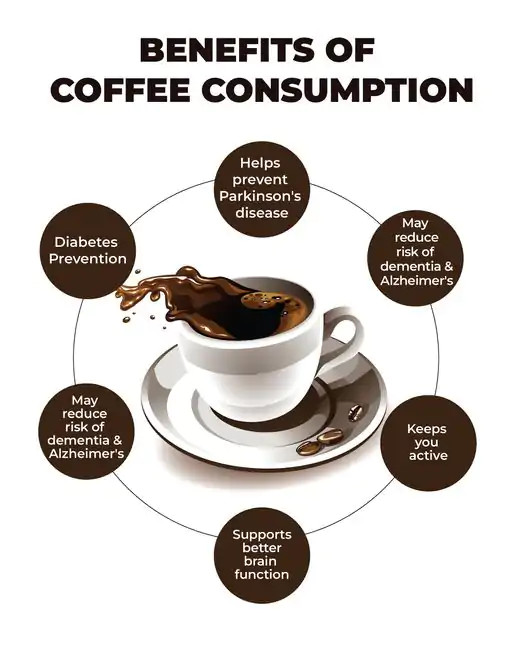
Several large cohort studies in recent years point to a similar conclusion: people who drink two to five cups of coffee a day tend to have a lower — not higher — risk of heart attack, heart failure, atrial fibrillation and stroke compared to non-coffee drinkers. Up to roughly 400 mg of caffeine per day, about four to five cups of filtered coffee, is generally considered safe for most healthy adults.
The key word is "moderate": the protective effects show up at typical consumption levels, not with excessive intake, and they don't apply unconditionally to everyone — anyone with certain heart rhythm conditions or high blood pressure should discuss their coffee habits with their doctor.
Timing may matter more than expected
A 2025 study published in the European Heart Journal, covering more than 40,000 adults, delivered a particularly interesting finding: it's not just how much coffee you drink, but when you drink it that seems to matter. People who drank most of their coffee before midday had a 31% lower risk of dying from cardiovascular disease and a 16% lower risk of death from any cause, compared with non-coffee drinkers. That protective effect wasn't seen among people who drank coffee steadily throughout the day.
One possible explanation: coffee in the afternoon or evening may disrupt the natural daily rhythm of hormones like melatonin, which can in turn affect blood pressure and inflammation. So if you already enjoy your coffee, concentrating most of it in the morning hours may do your heart an extra favour.
Filtered coffee: the heart-friendlier brew
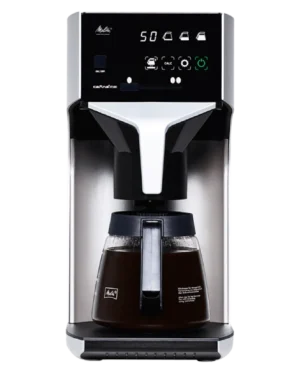
The brewing method matters too. Unfiltered coffee — such as French press or Turkish coffee — contains more compounds called diterpenes, which can raise cholesterol levels. A paper filter retains most of these compounds. If heart health is a priority, filtered coffee is generally the safer choice — something worth keeping in mind when picking a coffee machine.
What does this mean day to day?
Taken together, current evidence supports a relaxed relationship with coffee: enjoyed in moderate amounts, preferably earlier in the day and ideally filtered, coffee appears more likely to support heart health than to threaten it. As with any dietary topic, individual tolerance and existing health conditions are always worth discussing with a doctor.
This article is for general information only and does not replace medical advice.

 Deutsch
 Ελληνικά