How many seconds should an espresso run?
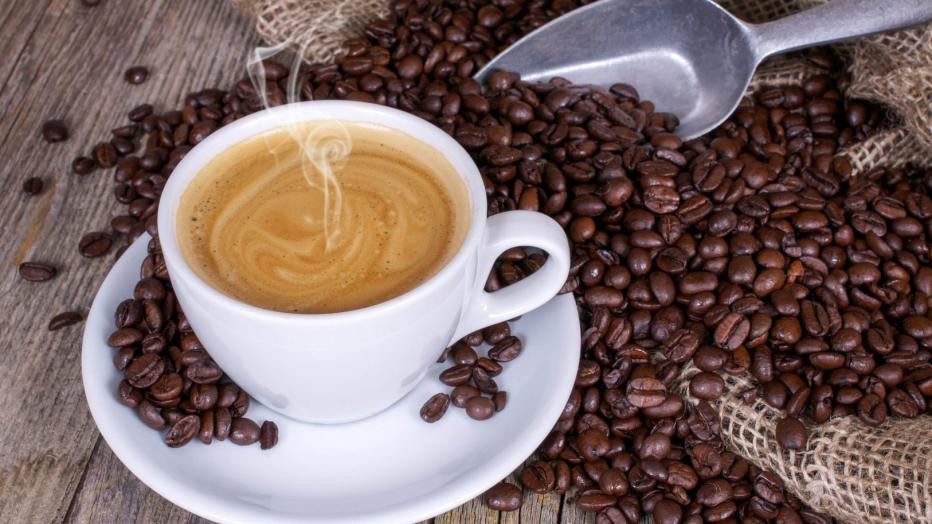
A proper espresso usually needs 25 to 30 seconds of extraction. During this time, water is forced through the ground coffee and draws out the aromas, sweetness and body that make a cup stand out.
But time is not an end in itself. It is the easiest tool for telling whether your grind, dose and tamp are right. Below we explain what the seconds mean for your cup and how to adjust them.
The golden rule: 25–30 seconds
For a classic espresso there is a simple rule of thumb: about twice as much beverage as ground coffee, in 25–30 seconds. This 1:2 ratio is the starting point for most baristas.
| Drink |
Ground coffee |
Amount in the cup |
Time |
| Ristretto |
16–18 g |
20–25 ml |
20–25 sec. |
| Single espresso |
7–9 g |
25–30 ml |
25–30 sec. |
| Double espresso |
16–18 g |
35–40 g (about 50 ml) |
25–30 sec. |
| Lungo |
7–9 g |
50–60 ml |
35–45 sec. |
These values are guidelines. A light roast often needs a little more time, a dark roast a little less. Taste always has the final say.
When do you start counting?
Start counting the moment you press the button, not from the first drop. That way the time also includes pre-infusion, which many machines perform automatically.
For the first 5–8 seconds, usually nothing reaches the cup. That is normal: the coffee absorbs water and pressure builds up. Stop the shot when you reach the desired amount or when the stream turns pale blond.
Too fast or too slow? What your cup is telling you
|
Under 20 sec.
under-extraction |
Over 35 sec.
over-extraction |
| Taste |
Sour, flat, “watery” |
Bitter, astringent, burnt |
| Crema |
Pale, thin, disappears quickly |
Dark brown, with a hole in the middle |
| Body |
Light |
Heavy but dry on the finish |
| Usual cause |
Grind too coarse or too little coffee |
Grind too fine or too much coffee |
Tip: A balanced espresso has a thick, hazelnut-coloured crema, a sweet acidity and a pleasant aftertaste without bitterness.
How to adjust the extraction time
Change one variable at a time and taste again. In this order:
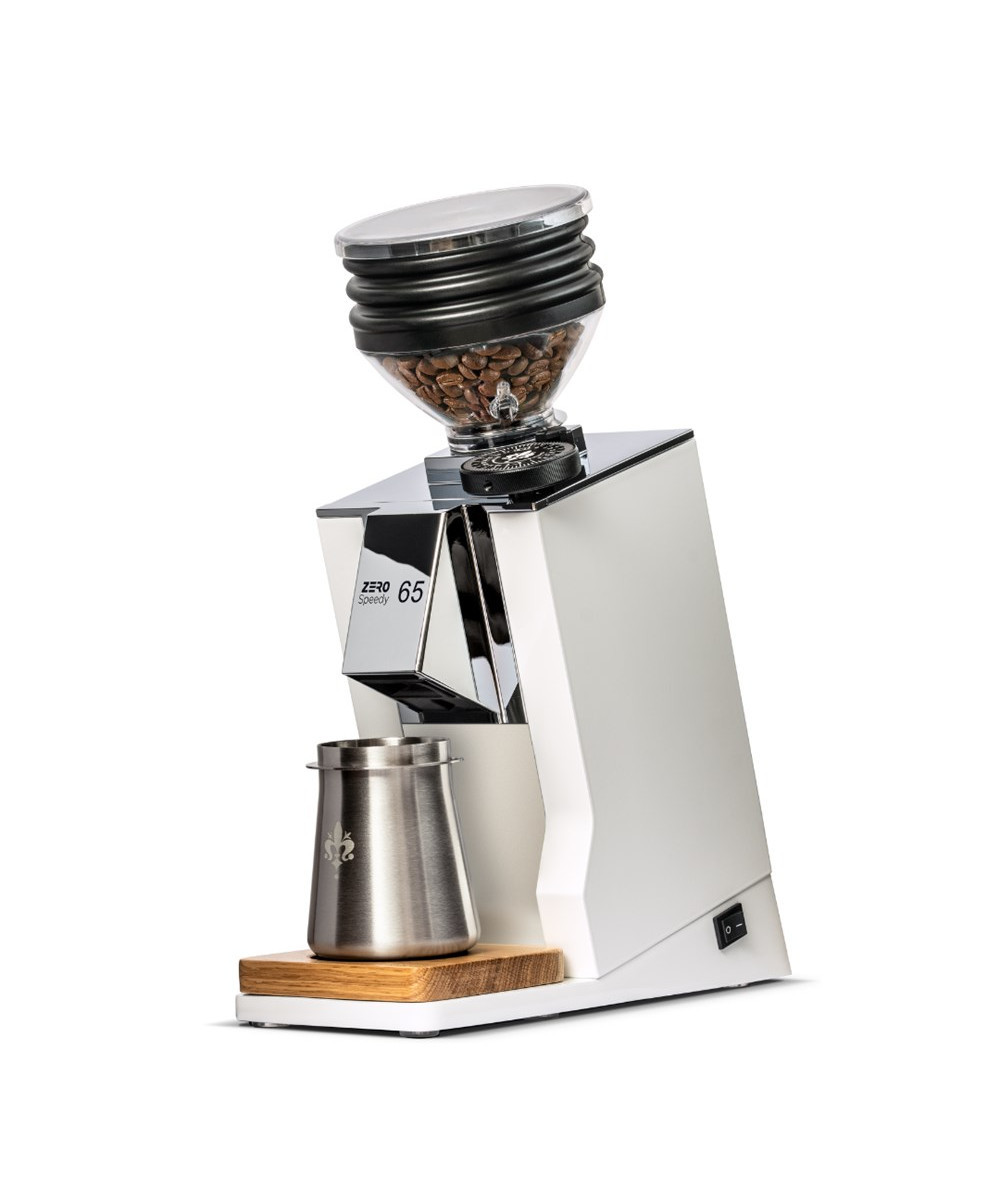
- Grind: the most important tool. Finer grind = slower flow, coarser = faster. A good grinder with micrometric adjustment, such as Eureka grinders, makes all the difference. See also our guide to setting up your coffee grinder correctly.
- Dose: weigh your coffee. Even one gram more or less changes the time noticeably.
- Tamping: firm, even pressure and a level surface. An uneven tamp creates “channels” and a fast, uneven flow.
- Freshness: coffee is at its best 1–4 weeks after roasting. Stale coffee runs faster, no matter how fine you grind it.
- Cleanliness: oils and limescale in the group head or basket change flow and taste. Clean regularly and descale.
What about bean-to-cup machines?
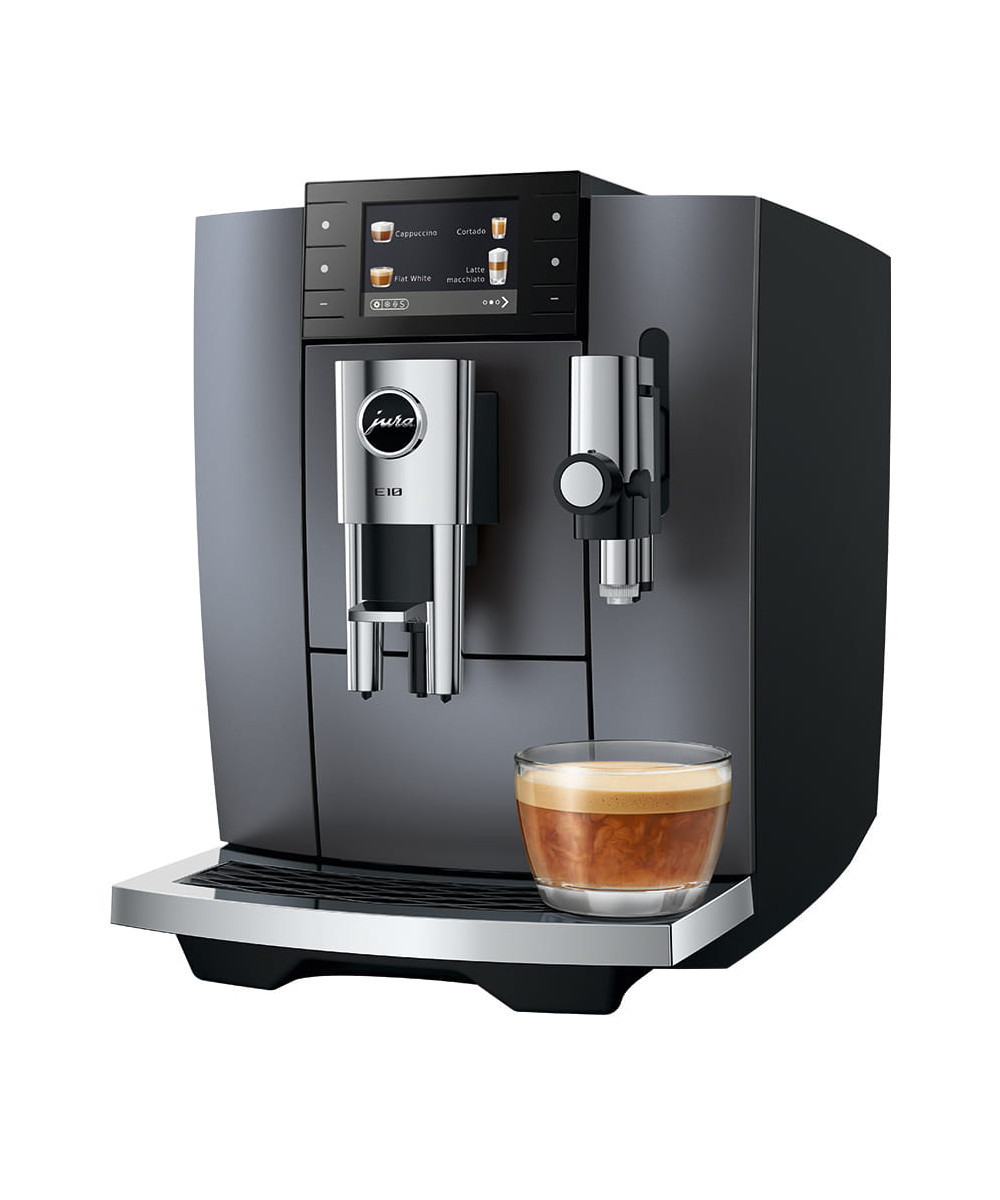
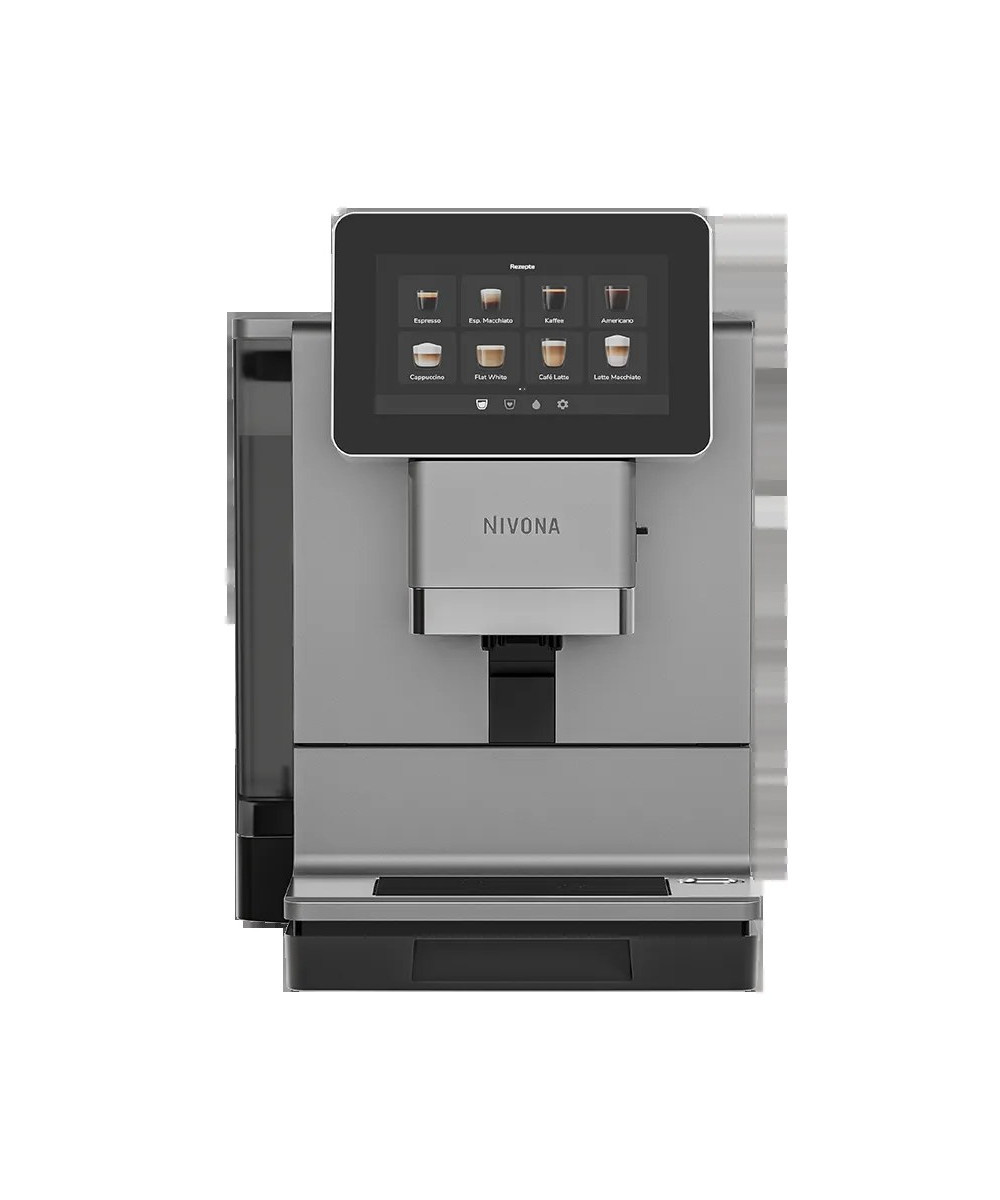
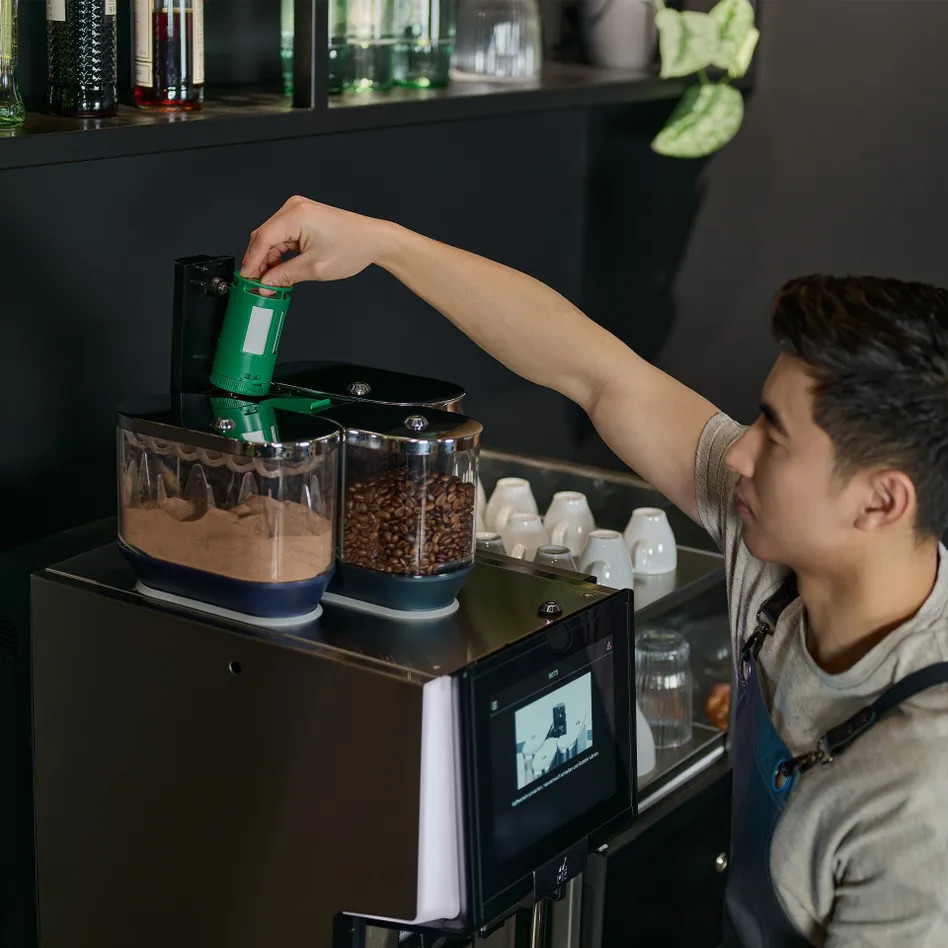
In automatic bean-to-cup machines such as JURA, WMF and Franke, the machine grinds, doses and tamps by itself. The extraction time may differ slightly from 25–30 seconds, because each system works with its own pressure and pre-infusion.
The logic stays the same, though. If the espresso tastes sour and runs too fast, set the grinder finer. If it tastes bitter and drips slowly, set it coarser. Always change the grind setting while the grinder is running, if the manufacturer allows it, and judge after 2–3 cups.
Conclusion
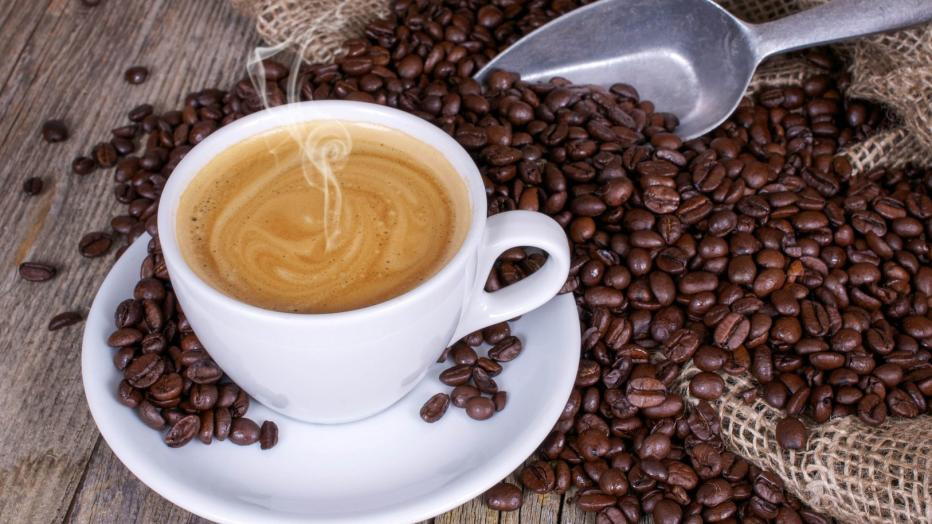
Aim for 25–30 seconds at a ratio of about 1:2, counting from the moment you press the button. If the taste does not satisfy you, start with the grind and change one thing at a time. The seconds are the guide, taste is the judge.
The perfect espresso with Solino
Need help setting up your machine or grinder? As an authorised dealer and service centre for Eureka, JURA, WMF and Franke in Piraeus, we are here for you.
See espresso machines Coffee grinders

 Deutsch
 Ελληνικά