How many bar does an espresso machine need?
The short answer: a proper espresso needs about 9 bar of pressure on the coffee. This is the pressure baristas around the world use as their reference.
So why do machine boxes say 15, 19 or even 20 bar? And does more pressure mean better coffee? Below we explain what really matters.
Why exactly 9 bar?
Espresso is made when water at about 90–96 °C is forced through finely ground, tamped coffee. Pressure is what pushes the water through the dense coffee puck and draws out oils, aromas and the characteristic crema.
At around 9 bar the extraction is balanced: strong enough for a rich body and thick crema, but not so strong that the puck “breaks”. At much lower pressure the coffee comes out thin; at much higher pressure “channels” open up and the taste becomes uneven and bitter.
15 or 19 bar on the box: what does it mean?
The advertised number is usually the maximum pump pressure, not the pressure at which the coffee is actually brewed. The pump can reach 15 or 19 bar, but at the group head the pressure is regulated lower, by an over-pressure valve or by the resistance of the coffee itself.
A pump with power in reserve has advantages: it keeps pressure stable even when the grind changes, and it lasts longer. But it does not mean the coffee is extracted at 19 bar.
In short: more bar on the box does not mean better espresso. What matters is a steady pressure of about 9 bar on the coffee.
Pressure by brewing method
| Brewing method |
Pressure on the coffee |
Result |
| Filter coffee |
no pressure (gravity) |
Light, no crema |
| Moka pot |
about 1–2 bar |
Strong, but not real espresso |
| Lever machine |
about 6–10 bar, by hand |
Espresso with full control by the barista |
| Pump espresso machine |
about 9 bar |
Classic espresso with thick crema |
| Bean-to-cup machine |
about 9 bar (pump up to 15 bar) |
Consistent quality at the touch of a button |
Pre-infusion and pressure profiles
Many modern machines do not start at full pressure straight away. First they wet the coffee at low pressure for a few seconds (pre-infusion ) and then rise to 9 bar. This lets the coffee swell evenly and makes the extraction more balanced.
Professional and some high-end machines even allow pressure profiling: the pressure changes during extraction to bring out different characteristics of each coffee. A barista does the same by hand on a lever machine, such as those from La Pavoni.
What to look for when choosing a machine
Bar is only one of the factors behind a good espresso. Before you buy, check:
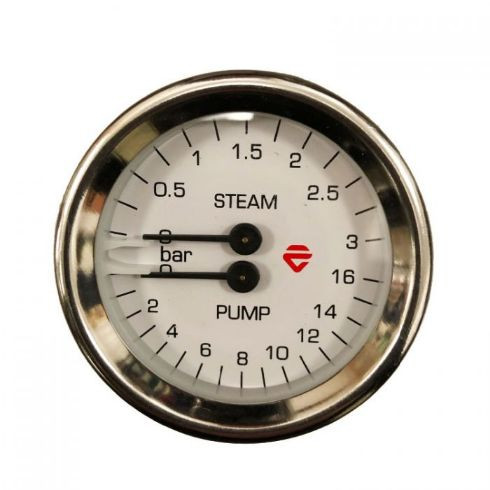
- Stable pressure: more important than the maximum figure. A pressure gauge on the machine helps you keep an eye on it.
- Stable temperature: the water should stay at about 90–96 °C for every cup.
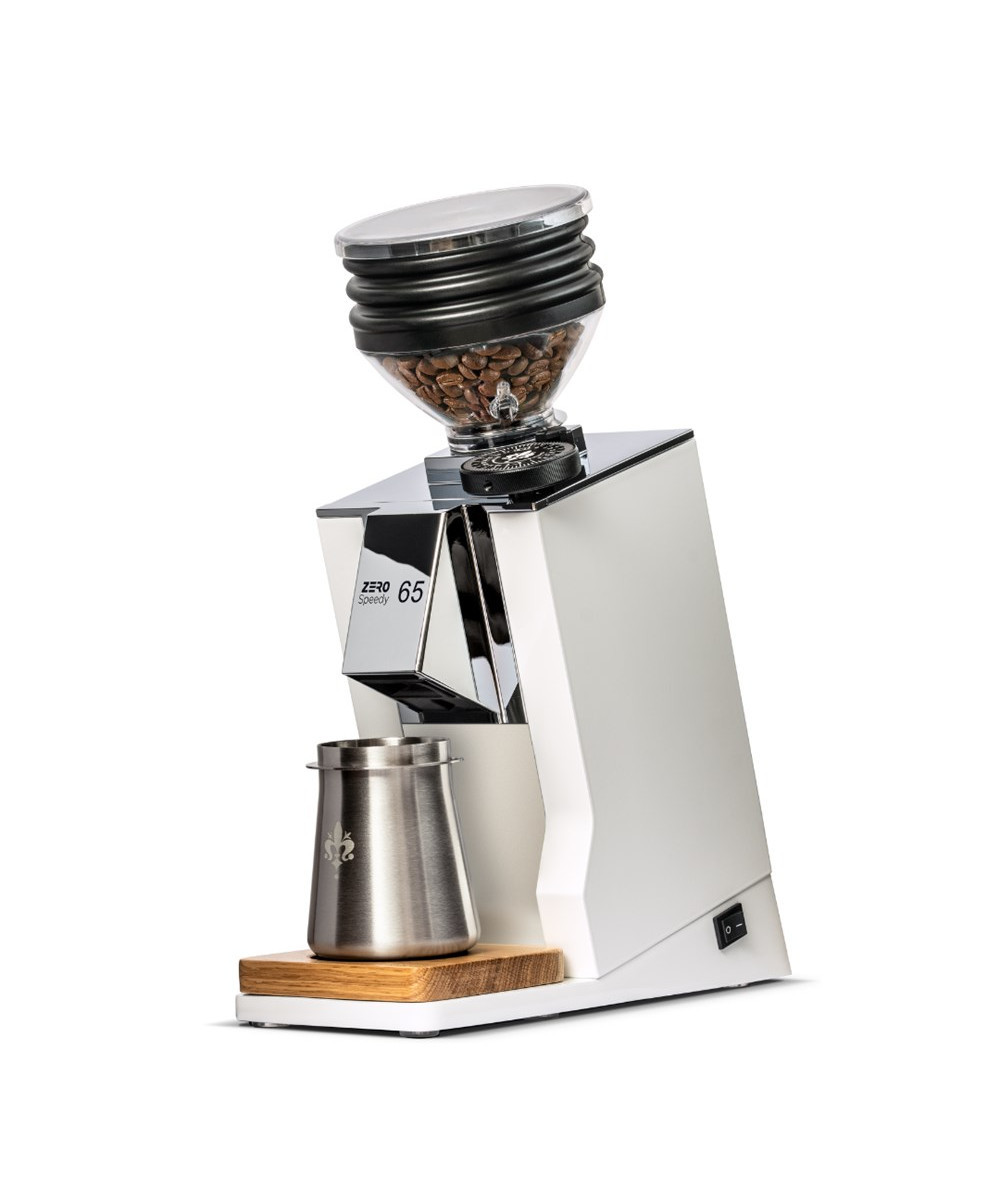
- A good grinder: even perfect pressure cannot save the wrong grind. See our guide to setting up your coffee grinder correctly.
- Build quality and service: pump, valves and seals need to last for years, and spare parts should be available.
- Maintenance: limescale and oils reduce pressure over time. Regular cleaning and descaling keep the machine at the right pressure.
What about bean-to-cup machines?
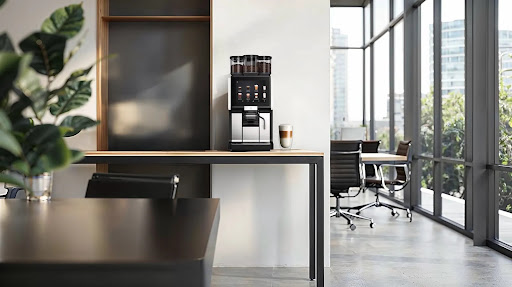
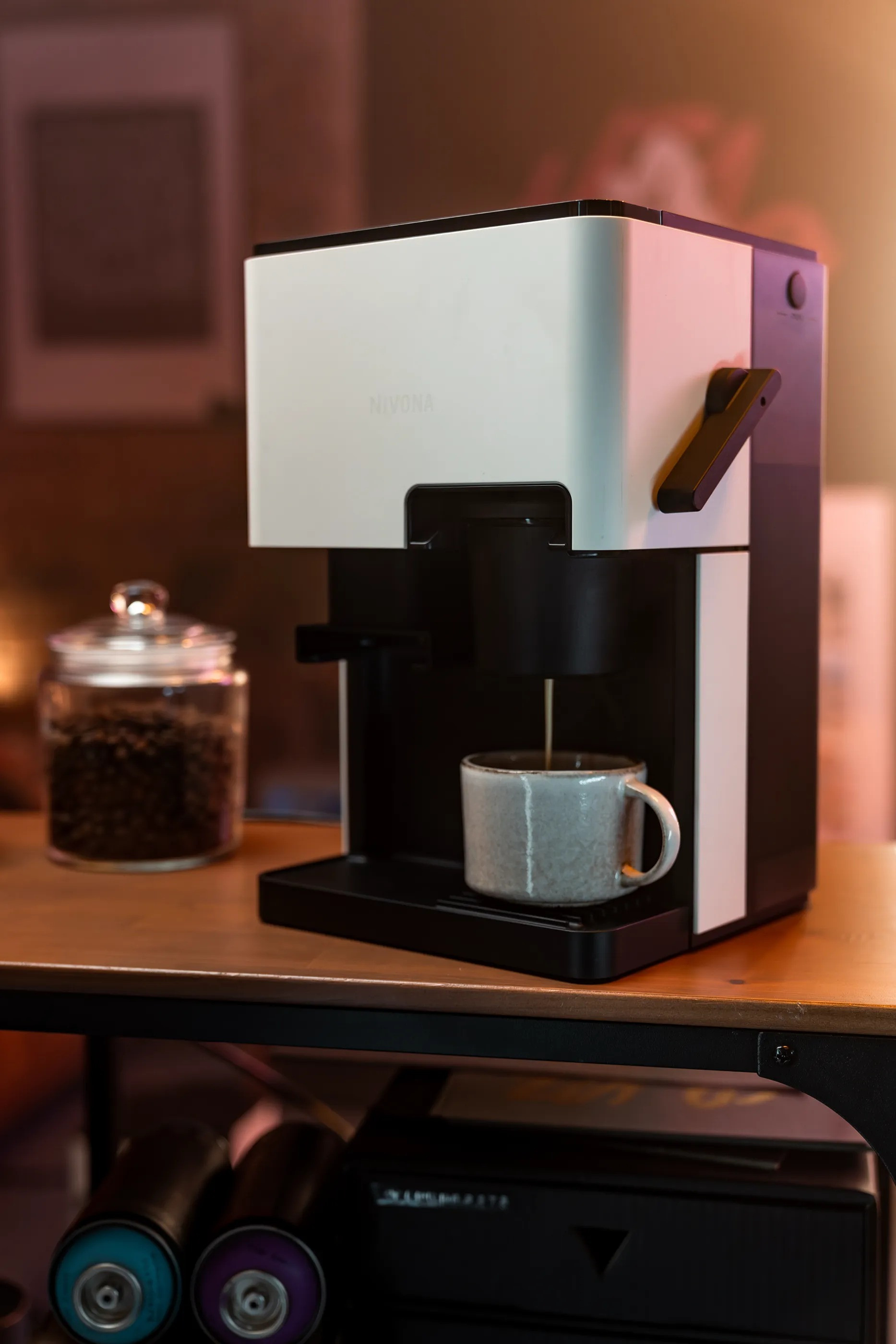
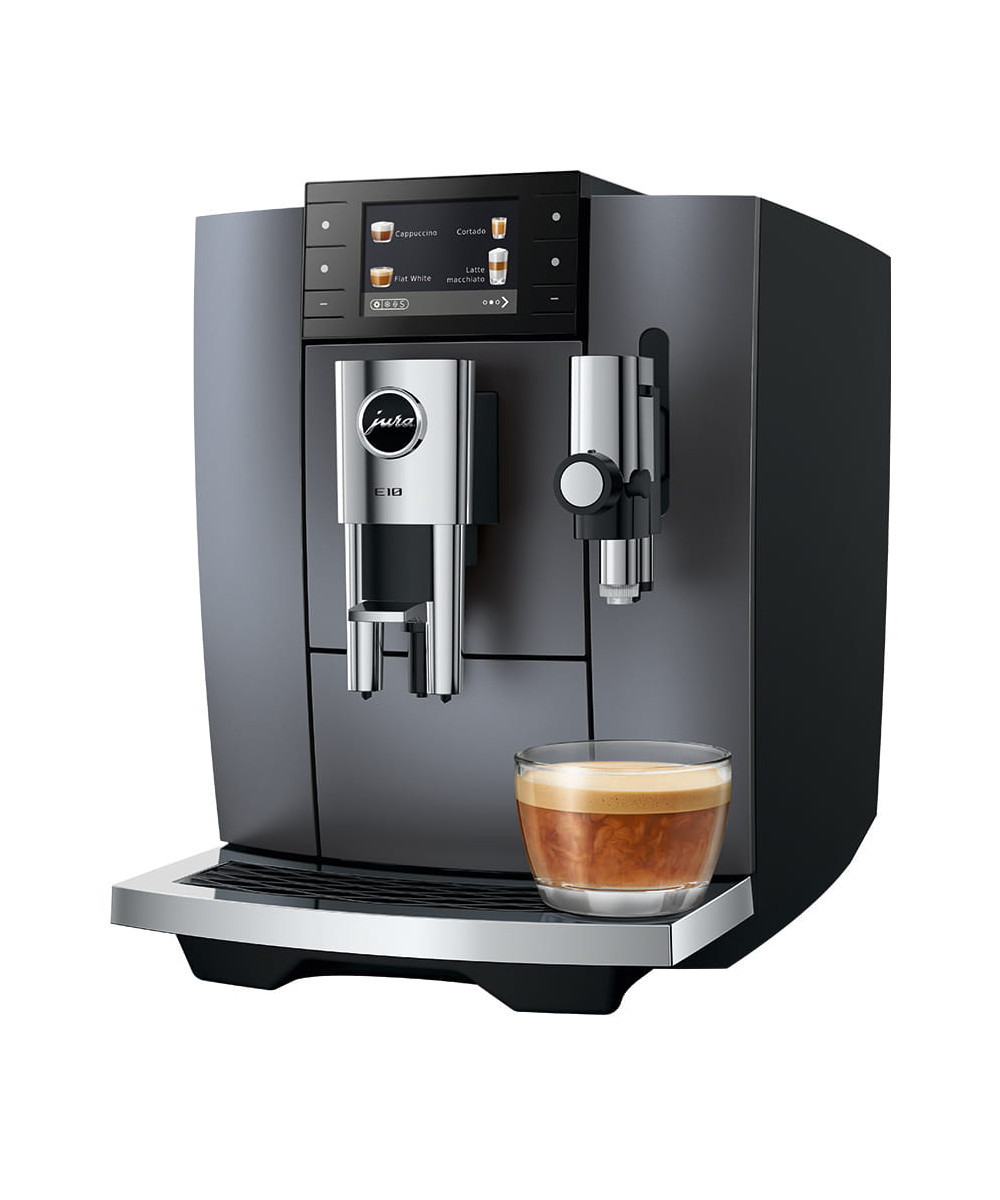
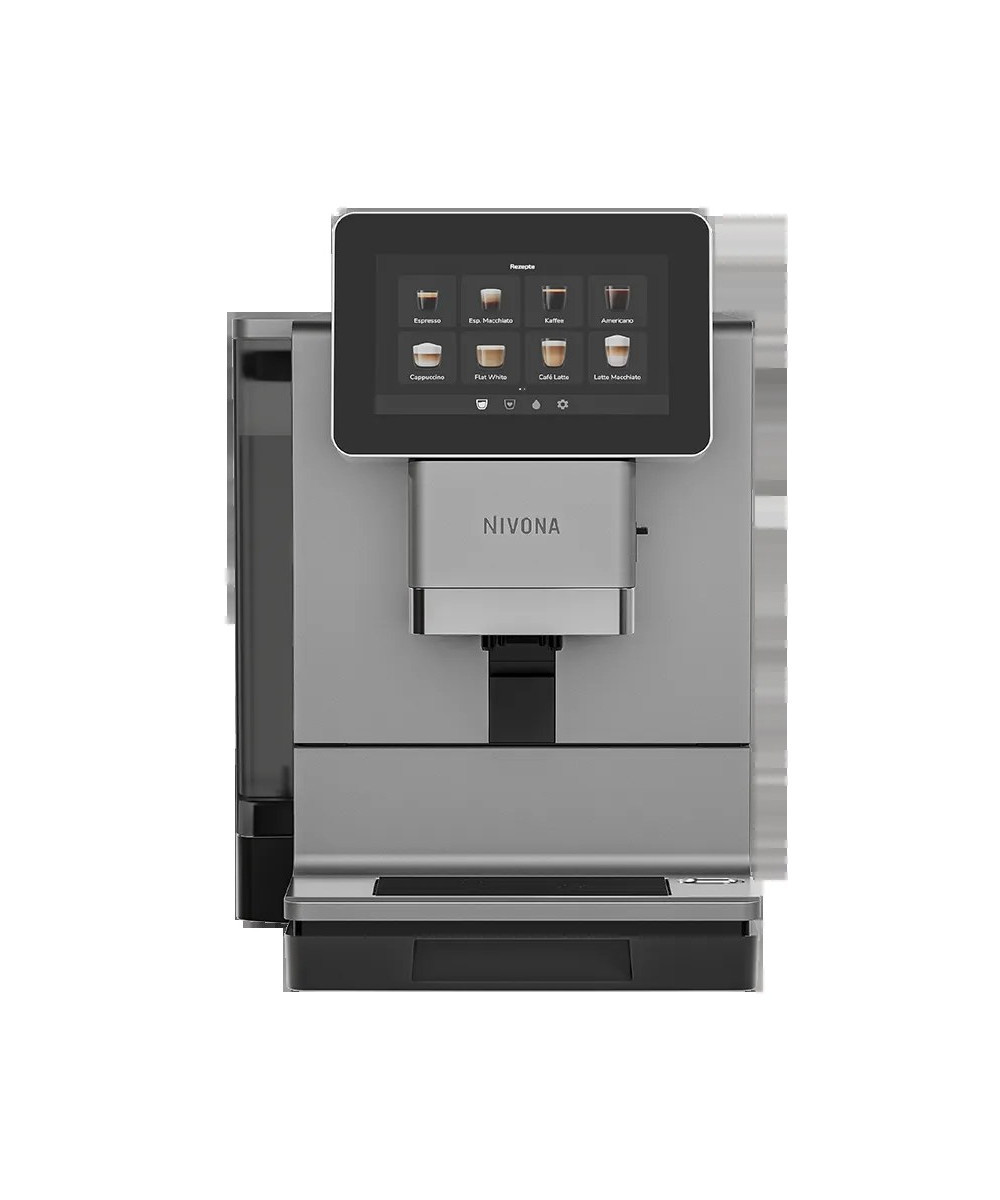
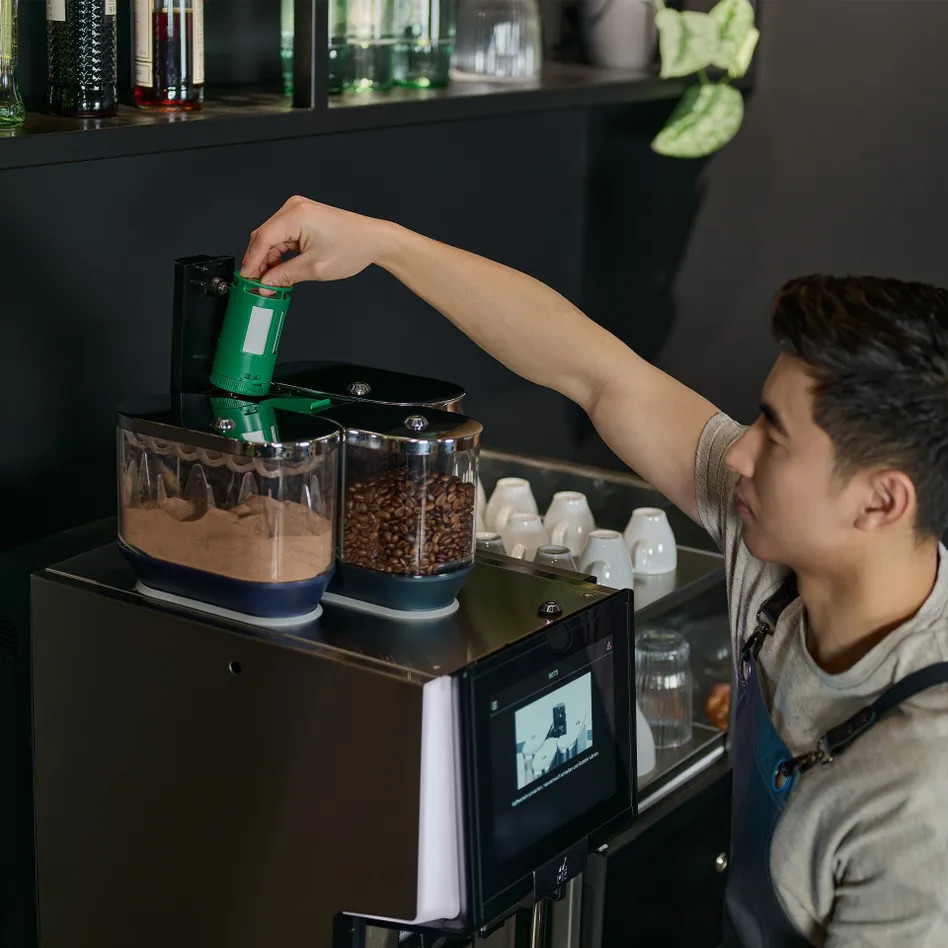
With automatic bean-to-cup machines such as JURA, WMF and Franke, you do not need to set the pressure yourself. The machine controls pump, temperature and pre-infusion on its own, so every espresso comes out with the same quality. What is left to you is the right grind, fresh coffee and regular care.
Conclusion
An espresso machine needs about 9 bar of steady pressure on the coffee. The 15 or 19 bar of the pump are power in reserve, not the brewing pressure. Choose a machine with stable pressure and temperature, a good grinder and reliable service. It is not the biggest number that wins, but consistency.
Find the right machine with Solino
As an authorised dealer and service centre for JURA, WMF, Franke and Eureka in Piraeus, we help you choose the machine that suits your coffee.
See espresso machines Contact

 Deutsch
 Ελληνικά